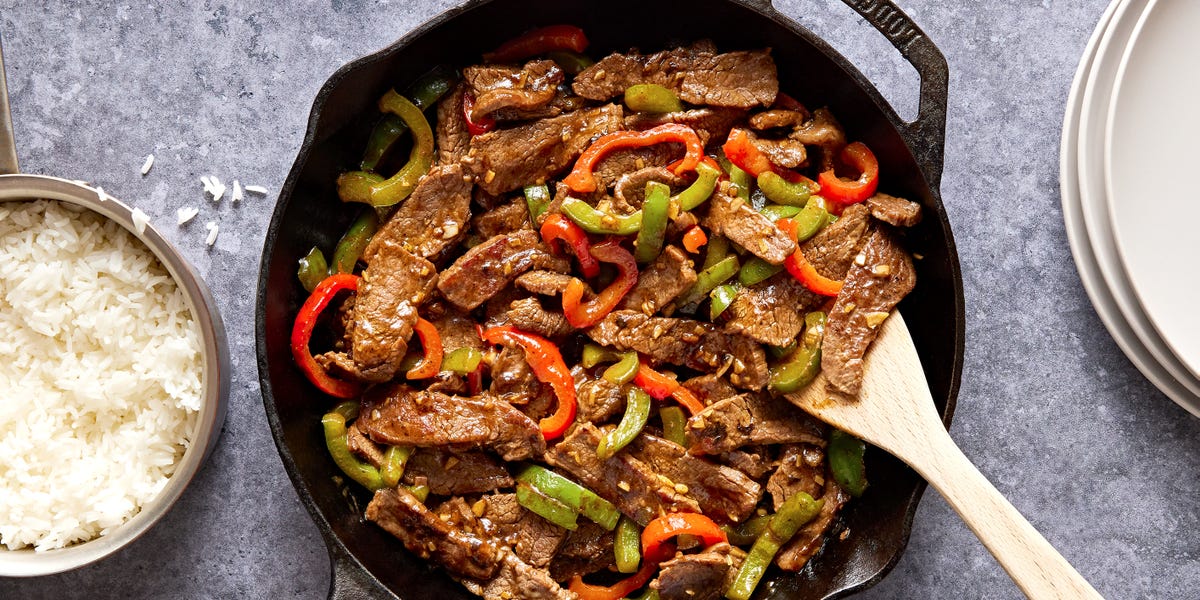
Craft the Perfect Pepper Steak: Essential Sauce & Steak Secrets
In the bustling rhythm of modern life, finding a meal that's both satisfyingly delicious and incredibly quick often feels like a culinary unicorn. Enter pepper steak – a vibrant, savory stir-fry that consistently delivers on flavor, convenience, and versatility. Whether you're battling weeknight dinner fatigue, craving the comforting familiarity of takeout without the delivery wait, or simply seeking a reliable dish that always hits the spot, pepper steak stands out as an unbeatable option. It's a symphony of tender beef, crisp bell peppers, and a classic, irresistible sauce that comes together with surprisingly little effort.
While the beauty of pepper steak lies in its simplicity, unlocking its full potential requires a nuanced understanding of a few core elements. This isn't just another stir-fry recipe; it's an opportunity to master fundamental techniques that will elevate your entire Asian-inspired cooking repertoire. From the delicate balance of the sauce to the perfect preparation of the steak, we'll dive deep into the secrets that transform a good pepper steak into an extraordinary one, ensuring every bite is rich with savory, sweet, and tangy notes. For more inspiration on making this a regular, quick dinner, explore our guide to Minute Pepper Steak: Your Ultimate Takeout Alternative Stir-Fry.
The Heart of the Dish: Mastering the Pepper Steak Sauce
The soul of any stir-fry, and especially pepper steak, resides in its sauce. It's the liquid gold that coats every ingredient, infusing it with depth and dimension. Crafting the perfect sauce is all about balancing the five fundamental tastes: salty, sweet, sour, umami, and sometimes, a touch of heat. Here’s how to build your unforgettable pepper steak sauce:
- Soy Sauce: The Umami Foundation
As the bedrock of our sauce, soy sauce contributes significant saltiness and a profound umami flavor – that savory, meaty taste that makes Asian cuisine so addictive. For optimal control over the final dish's sodium content, reduced-sodium soy sauce is often recommended. This allows you to season the dish to taste without it becoming overly salty. However, any good quality soy sauce will work; just be mindful of your salt additions elsewhere in the recipe. For a gluten-free alternative, tamari is an excellent choice that maintains the rich umami profile. - Rice Wine Vinegar: The Essential Acidity
Stir-fries, with their rich and often salty components, cry out for a touch of acidity to cut through the richness and brighten the flavors. Rice wine vinegar, made from fermented rice, is the quintessential ingredient for this. It offers a mild, clean tang that perfectly harmonizes with the other sauce elements without overpowering them. If you don't already have it, consider this your cue to add it to your pantry; it's a versatile staple for dressings, marinades, and pickling. - Light Brown Sugar: Sweetness, Depth & Gloss
Brown sugar plays a multifaceted role in our pepper steak sauce. Its sweet, molasses-laden notes provide a crucial counterpoint to the salty soy sauce and acidic rice wine vinegar, bringing the flavors into perfect harmony. Beyond taste, brown sugar also aids in thickening the sauce slightly as it heats and, crucially, contributes to that beautiful, glossy finish synonymous with restaurant-quality stir-fries. The subtle caramelization as it cooks imparts an additional layer of depth. - Cornstarch: The Thickening Magic
To achieve that luxurious, clingy consistency that perfectly coats the steak and peppers, cornstarch is indispensable. A little goes a long way, so it's always best to start with a small amount. The key to a smooth, lump-free sauce is to create a slurry: whisk the cornstarch with a small amount of cold water (or some of the other liquid ingredients before heating). Adding this cold slurry to the hot sauce gradually, while stirring, allows the starch granules to expand and thicken evenly without clumping, preventing any chalky texture. Continue adding in small increments until your desired consistency is reached. - Aromatics: Ginger & Garlic – The Flavor Pillars
The classic duo of fresh ginger and garlic is non-negotiable for any authentic stir-fry. Sautéed briefly at the start, they release an intoxicating aroma and a pungent, warming flavor that forms the aromatic backbone of the entire dish. Freshly minced ginger and garlic will always yield the best results, though pre-minced versions can be used in a pinch. Their combined presence provides an immediate sense of richness and complexity. - Optional Spice: Kicking It Up a Notch
For those who appreciate a bit of heat, pepper steak is wonderfully amenable to customization. A pinch of crushed red pepper flakes, a dash of sriracha, or even a few slices of fresh jalapeño can introduce a welcome kick, transforming the dish from savory-sweet to delightfully spicy.
Steak Secrets: Choosing, Preparing, and Cooking Your Beef
The "steak" in pepper steak demands as much attention as the "pepper." The right cut, proper preparation, and swift cooking are paramount to achieving tender, flavorful results.
- Choosing Your Cut: Tenderness & Flavor
Our top recommendation for pepper steak is flank steak. It boasts a rich, beefy flavor and beautiful marbling that cooks up tender when prepared correctly. Its fibrous texture makes it ideal for thin slicing. Skirt steak offers a very similar profile and can be used interchangeably. For a more budget-friendly yet still tender option, sirloin steak is a fantastic choice, known for its leanness and quick-cooking properties. Whichever cut you choose, ensure it's fresh and high quality. - Preparation is Key: Slicing Against the Grain
This is perhaps the most crucial secret to tender pepper steak. Regardless of the cut, you must slice the beef very thinly (about ¼-inch thick) and, critically, against the grain. The "grain" refers to the visible lines of muscle fibers running through the meat. Slicing against them shortens these fibers, making the cooked steak much easier to chew and preventing a tough, stringy texture. Partially freezing the steak for 15-20 minutes before slicing can make this task significantly easier, allowing for cleaner, thinner cuts. - Quick Marinade (Optional, but Recommended)
While not strictly necessary, a brief marinade can further tenderize the steak and infuse it with extra flavor. A simple mixture of a tablespoon of soy sauce, a teaspoon of cornstarch (for extra tenderness and to create a protective coating), and a splash of oil for 15-30 minutes will work wonders. - High Heat, Quick Sear: The Stir-Fry Method
Stir-frying demands intense heat. Use an oil with a high smoke point, such as vegetable, canola, or peanut oil, to prevent burning. The trick to perfectly seared steak is to cook it in batches. Overcrowding the pan will drop the temperature, causing the meat to steam rather than sear, resulting in a grey, chewy texture. Sear the beef quickly until nicely browned on all sides, then remove it from the pan before adding the vegetables. This ensures the steak remains tender and doesn't overcook.
Beyond the Basics: Essential Ingredients & Customization Tips
While the steak and sauce form the foundation, the supporting cast of ingredients adds color, texture, and additional layers of flavor.
- Bell Peppers: A Rainbow of Flavor & Nutrition
The "pepper" in pepper steak typically refers to bell peppers. While green, yellow, orange, and red bell peppers are all the same vegetable at different stages of ripeness, they each offer unique flavor profiles. Green bell peppers are the least ripe, offering a slightly more vegetal and bitter note, while red bell peppers are the sweetest and ripest. Using a combination of colors not only creates a visually stunning dish but also provides a spectrum of flavors. Slice them into uniform strips for even cooking. - Onions: Aromatic Sweetness
Thinly sliced onions add another layer of aromatic sweetness and texture to the stir-fry. They soften beautifully in the hot pan, contributing to the overall complexity of the dish. - High Smoke Point Oil: The Unsung Hero
As mentioned, stir-frying requires very high heat. Neutral oils like vegetable, canola, or peanut oil are ideal because they can withstand these high temperatures without smoking or burning, which would impart an unpleasant flavor to your food.
Customization & Serving Suggestions:
One of the joys of pepper steak is its adaptability. Feel free to incorporate other vegetables like broccoli florets, snap peas, carrots, or mushrooms. For an extra boost of fresh flavor, a sprinkle of toasted sesame seeds or chopped scallions as a garnish is always a welcome addition. Ready to experiment further? Dive into Easy Pepper Steak: Customize Your Stir-Fry with Simple Swaps & Spice for endless possibilities.
Pepper steak is traditionally served over a bed of fluffy white rice, such as jasmine or basmati, which soaks up the savory sauce beautifully. Brown rice offers a nuttier, healthier alternative, while noodles can also make a fantastic pairing. For a complete meal, consider adding a simple side salad to provide a fresh, crisp counterpoint.
Conclusion
Crafting the perfect pepper steak is a rewarding culinary endeavor that combines simplicity with sophisticated flavor. By focusing on the essential sauce ingredients – balancing salty soy, tangy rice wine vinegar, and sweet brown sugar, thickened to perfection with cornstarch – you lay the groundwork for an exquisite meal. Pairing this with carefully chosen, thinly sliced steak, cooked quickly at high heat, ensures every bite is tender and full of robust beefy flavor. Add to that the vibrant crunch of bell peppers and the aromatic punch of ginger and garlic, and you have a dish that rivals any restaurant takeout. Embrace these essential secrets, and you'll find yourself making this reliable, customizable, and utterly delicious pepper steak again and again.
